
A tooth infection, also known as a tooth abscess, is a common dental issue that causes severe, constant throbbing pain. Dental abscesses can be classified into different types depending on where the infection develops. Left untreated, any type of tooth infection can become a medical emergency, leading to infection in the jaw, face, neck or other medical problems. Understanding the symptoms and causes of a tooth infection and when to get treatment can help prevent any further issues.
What is a Tooth Infection?
A localised collection of pus that accumulates in the teeth, tissue and surrounding bone is known as a tooth infection. It can occur when bacteria invades the dental pulp, which is the innermost part of the tooth containing the nerves, blood vessels and connective tissue.
Protective layers of dentin usually prevent infection from reaching the pulp. However, when the dentin layer is compromised, germs can penetrate the protective layers and cause infection. The body’s response to this type of infection leads to the formation of pus, which has nowhere to drain in the confined space, thus resulting in swelling and pain.
Types of Tooth Infections
The types of tooth infections are characterised by the location, as each can affect different parts of the tooth, surrounding tissue and bone. They can range from mild, localised inflammation to severe conditions. The three primary types of tooth infections, their location, causes and treatment are listed below.
| Type of infection | Periapical Abscess | Periodontal Abscess | Gingival Abscess |
| Description | Bacterial infection within the pulp of the tooth | Bacterial infection in the gum tissue or supporting structures around the tooth | Bacterial infection on the surface of the gum tissue |
| Location | At the tip of the tooth root | Inside the gingiva (gums) | Gum surface |
| Physical signs | Swollen, red gums
Pimple-like bump. Face or jaw swelling Pus |
Localised red, swollen bump or pimple
Pus Bad smell Fever |
Red or white bump on top of gums |
| Pain profile | Throbbing pain
Sensitive to pressure/biting/ temperature |
Constant throbbing pain
Loose tooth |
Less severe than other tooth infections
Some discomfort when eating/brushing |
| Typical causes | Tooth decay
Tooth crack/fracture |
Often linked to untreated gum disease | Minor injury
Foreign object or trapped food |
| Involvement of tooth/bone | Involves tooth nerve but can spread to bone | Involves the bone and supporting tissue | Usually does not affect tooth root or bone structure |
| Typical treatment | Abscess drainage
Tooth extraction |
Abscess drainage
Deep clean and scale Root planing Periodontal surgery |
Easy to treat
Abscess drainage Removal of foreign object |
Causes of Tooth Infection
Tooth infection and abscesses develop when bacteria are able to enter and infect the tooth’s pulp and surrounding tissue. This happens when the protective layer of the tooth (enamel) is destroyed, allowing germs to enter the sensitive dentin layer. The main causes of tooth infection are:
- Tooth decay: When tooth decay isn’t treated, this can develop into the main cause of tooth infection. Tooth decay causes holes in the teeth, allowing harmful bacteria and acid to burrow through the enamel and dentin. Essentially, decay weakens the bone structure so there’s a pathway for germs to enter the tooth core and trigger an abscess.
- Gum disease: Periodontitis (gum disease) allows bacteria from the plaque buildup to create deep pockets between the tooth and gum. These pockets become infected, which leads to inflammation and potential abscess formation.
- Cracked or chipped teeth: When teeth become cracked or damaged, the enamel breaks down to expose the sensitive inner layers of the tooth, dentin and pulp. The crack or damage allows an entry point for germs to enter the layer beneath the enamel and cause infection. Cracked teeth can be caused by eating hard foods, tooth grinding (bruxism) or even age.
- Poor oral hygiene: Good oral hygiene is essential to avoiding a tooth infection. Infrequent brushing and flossing allow food particles and debris to form a thick layer of plaque on the teeth. This irritates the gums and may cause an infection, which can spread to the bone and surrounding tissue.
- Weak immune system: When the immune system is weakened, it makes the body more susceptible to issues like tooth infection. The immune system controls harmful bacteria from spreading. When it’s compromised, the body’s defence mechanism is impaired, so it’s less capable of fighting infection and disease.
- Poor diet: A diet high in sugar and refined carbohydrates can put you at greater risk of developing a tooth infection. These types of foods fuel acid-producing bacteria that, in turn, erode tooth enamel and can progress to severe tooth infections and abscesses. A poor diet further compromises the mouth’s ability to fight off these infections.
- Dry mouth: Because dry mouth removes the saliva’s protective functions, it increases the risk of tooth infection. A dry mouth means there’s no way to wash away harmful bacteria or food from the teeth and gums, leaving it to settle and cause cavities, gum disease and infection.
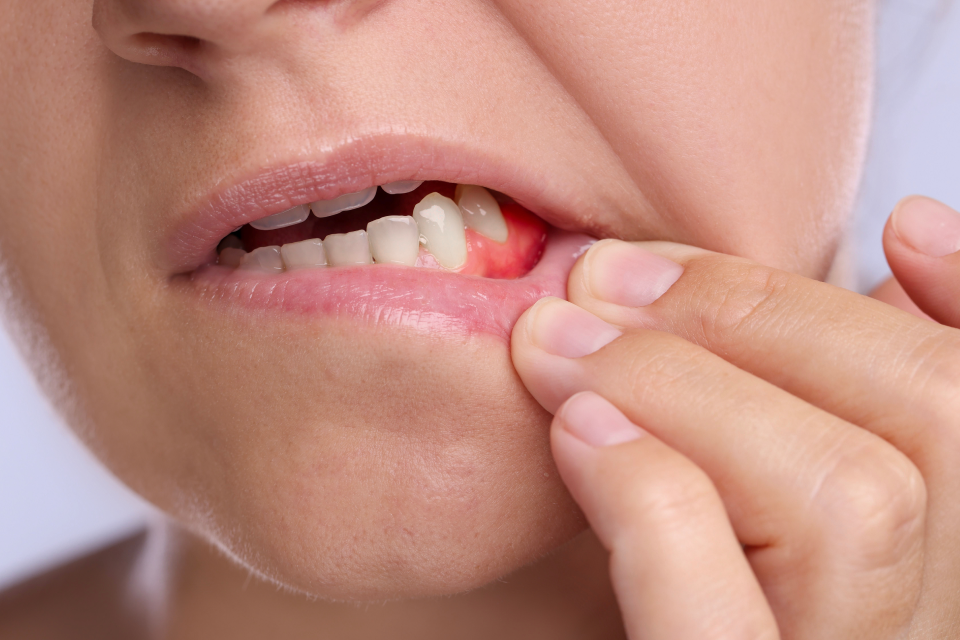
Symptoms of Tooth Infection
Depending on the stage of the infection, the location and the body’s immune response, the symptoms of tooth infection can range from mild to serious.
Mild symptoms in early stages
In the early stages of a tooth infection, symptoms will be mild. The bacteria have just started to enter the tooth’s inner pulp and become inflamed. Symptoms in this stage may include:
- Toothache: Mild tooth pain may be experienced. This is often described as a dull feeling or slight throbbing.
- Sensitivity: Hot or cold food can cause tooth sensitivity.
- Gum changes: Slight redness or a small bump on the gum surface.
- Pressure sensitivity: There may be a sensitivity to changes in pressure when biting down.
Moderate symptoms as infection progresses
As the abscess starts to develop, symptoms can become more pronounced. Symptoms that the infection is progressing include:
- Increased pain: The pain and pressure from the abscess will become more pronounced. Pain from a tooth infection will often be more intense at night.
- Facial swelling: There may be noticeable swelling of the gums, cheek or around the jaw.
- Pus or bump: A more obvious red or pus-filled bump will be evident.
- Bad breath/taste: Sometimes bad breath or a bad taste can be experienced if pus is present.
- Swollen glands: Glands under the neck or jaw may be tender or swollen.
Serious symptoms of tooth infection
A tooth infection or abscess left untreated can become serious and become a dental emergency. If these occur, seek immediate medical help:
- Severe pain and swelling: Intense throbbing pain radiating to the jaw, neck or ear increases as the infection spreads.
- Difficulty opening mouth: There may be pain or pressure when chewing and difficulty opening the mouth.
- Fever, chills, and a general unwell feeling: When the body is fighting an infection, it can result in fever and chills. An advanced infection will also lead to a general unwell feeling with symptoms like headaches, fatigue or dizziness.
- Breathing issues: Any breathing issues or difficulty swallowing are life-threatening signs that the infection has spread deeper into the jaw or neck.
- Sudden relief with bursting: A sudden rush of bad-tasting fluid in the mouth is a sign that the abscess has ruptured. It doesn’t mean the infection has gone and requires immediate dental treatment to avoid the infection spreading to the bloodstream.
How a Tooth Infection is Diagnosed
The dentist or doctor will diagnose a tooth infection through a physical examination. The dentist will look for visual signs like swelling and redness and use diagnostic tools to locate any bacterial infection:
- Dental examination: During the physical dental examination, the dentist will examine the patient’s mouth, face and neck. The examination will include pressing on the gums or jaw to see if there is pain or tenderness, using a probe to measure deep pockets between the teeth and gumline and checking for visible signs of pus or bumps.
- Patient history: To diagnose possible tooth infection, the dentist will also check patient history and ask detailed questions about general health.
- X-rays: The dentist may organise X-rays to check for decay, bone loss or abscesses that are not visible.
- Scans: For severe infections, a CT scan may be organised to see how far the infection has spread.
- Swabs: On rare occasions, a sample of pus may be taken to identify specific bacteria.
- Blood tests: These are not standard for simple tooth infections. However, a blood test may be ordered in cases where it is suspected the infection has entered the bloodstream.
Tooth Infection Treatment
Depending on the severity of the tooth infection and how far it’s advanced, treatment will range from localised dental procedures to tooth extraction and antibiotics. The main tooth infection treatments are:
- Drainage of abscess: The first treatment for a tooth infection is an incision and drainage. The dentist cuts the abscess to drain the pus, which relieves pressure and pain. Drainage removes the source of infection from the tooth.
- Antibiotics: Often, the abscess drainage will be followed by a course of antibiotics to fight the bacteria.
- Root canal: To remove the infected pulp, a dentist may perform a root canal. The affected pulp is removed, and the inside is cleaned and sealed to save the tooth.
- Tooth extraction: If the infection has badly damaged the tooth, it may have to be removed.
- Pain management: The dentist may recommend over-the-counter pain relief for minor procedures. Sometimes stronger medications may be prescribed for more serious treatments.
Home Remedies for Tooth Infection
A tooth infection must be treated by a dental professional. However, some home remedies can help with temporary relief. These include:
- Saltwater rinse: A warm saltwater rinse with half a teaspoon of salt in a glass of warm water can help reduce inflammation. Rinse around the mouth for 30 seconds and then spit out.
- Cold compress: An ice pack wrapped in a cloth pressed against the cheek can temporarily relieve discomfort and reduce swelling.
- Over-the-counter pain relief: Pain relief that can be bought over the counter can help to manage pain but only provides temporary relief. It is essential to see a dentist as soon as possible.
When to see a Dentist for Tooth Infection
With any discomfort or swelling in the gums or tooth, it’s advisable to see a dentist. The early symptoms may be controllable with pain relief but will increase if left untreated. A tooth infection can quickly turn to a serious and even life-threatening issue if not addressed, spreading to the face and neck and eventually the bloodstream.
If the tooth infection has been left untreated for an extended period of time and symptoms have developed to fever, facial swelling or difficulty breathing, seek emergency help immediately.
Complications from Tooth Infection
A tooth infection is a serious condition that can lead to complications if the infection spreads through the bloodstream. Potential health complications include:
- Spread of infection: When left untreated, the infection will spread. In the case of a dental infection, it can transfer to nearby teeth, the jaw, and neck.
- Sinus issues: A tooth infection, particularly in the upper back tooth or molar, can easily spread to the maxillary sinuses. This is because the roots of these teeth are directly next to the sinus cavity.
- Jaw infection: Left untreated, a tooth infection can spread to the jaw. Also known as osteomyelitis, jaw infection is quite rare but does present with signs like fatigue, fever, jaw stiffness and pain. It is imperative to seek dental and medical help as soon as any of these symptoms appear.
- Ludwig’s angina: This is a severe and rapidly spreading infection on the floor of the mouth that often results from an untreated tooth infection. Symptoms include difficulty swallowing, drooling, fevers and chills. This is a medical emergency and requires immediate medical treatment.
- Meningitis: In rare cases, a tooth infection can lead to meningitis as the bacteria spreads throughout the bloodstream to the spinal cord. Meningitis is a serious complication that must be treated immediately.
How to Prevent Tooth Infection
Tooth infection is largely preventable with oral hygiene, regular dental checkups and maintaining a good diet. These are the main ways to avoid tooth infection developing.
- Maintain good oral habits: Make sure to regularly look after the teeth by brushing and flossing daily.
- Regular dental visits: Dental visits are recommended every six months to ensure oral health is maintained. The dentist can recognise and treat any issues before they become serious infections.
- Watch for signs of gum disease: Keep an eye out for any signs of gum disease, which is a major factor in tooth infection. Bleeding gums, receding gums, and bad breath, may be an indication of gum disease.
- Limit sugary food or drinks: Limiting sugar intake is a good way to avoid tooth infection. Sugar produces acid that erodes tooth enamel and leads to decay and potential infection.
A tooth infection is a dental issue that won’t usually resolve on its own and needs to be addressed by a dental professional. It can form from tooth decay to gum disease and even poor oral hygiene, and can lead to more serious health issues if left untreated. The team at Hawthorn Road Family Dental Clinic are experts at dealing with tooth infection and can help you maintain good oral habits and prevent tooth abscesses from occurring.