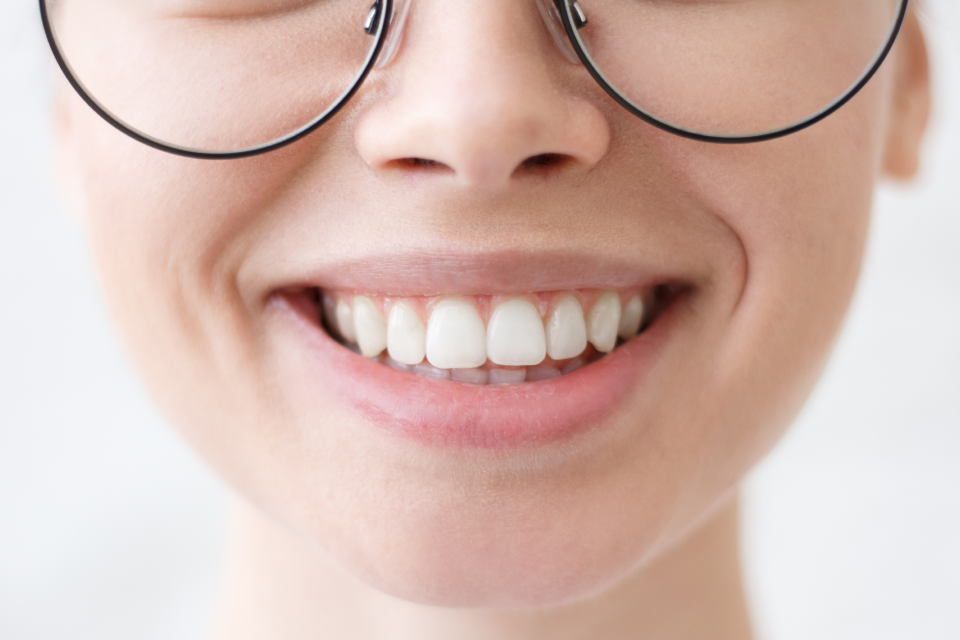
If you’re concerned about the appearance of your teeth and looking for ways to enhance your smile, then tooth reshaping could be the perfect solution. Tooth reshaping is a popular cosmetic treatment that removes a small part of your tooth enamel to improve the appearance of your teeth. This procedure allows your dentist to correct minor imperfections, such as chipped, uneven, or slightly overlapping teeth.
Many dentists recommend this procedure because it’s completely non-invasive. You won’t have to worry about any pain or anesthesia, with dentists able to achieve full results in just a single session. Tooth reshaping is also a low-cost alternative to more expensive treatments that can achieve natural-looking results. However, reshaping is not suitable for everyone, as those with more serious dental issues will require alternative treatments. Although the changes produced are subtle, tooth reshaping can make a noticeable improvement to your teeth, which can boost your confidence and get you smiling more.
How does Tooth Reshaping Work?
Tooth reshaping is a relatively simple procedure, where a dentist removes a small portion of enamel from your tooth to alter its shape, length or surface. Enamel is the protective outer layer of the tooth, and is the strongest substance in the entire human body. By taking away small amounts of enamel, your dentist can file and round down parts of your tooth. Although this sounds like a minor process, it can be used to make visible improvements to your smile, often used to correct issues such as slightly uneven or chipped teeth.
The entire reshaping process is fast and simple. Here’s what you can expect during your treatment:
- Step 1 – Dental examination
- Your dentist will start by carrying out a thorough examination and x-ray on the health of your gums and teeth. Reshaping should only be carried out on healthy teeth and gums. During this process, your dentist will check the thickness of your enamel. If your enamel is too thin, they may recommend treating this issue first before progressing to reshaping. During the examination, the areas of your teeth that need reshaping will be marked by a special pen to ensure accuracy during treatment.
- Step 2 – Enamel is removed
- If your teeth are healthy, your dentist can move you into the reshaping process. During your treatment, they will use tools such as a sanding disc or fine diamond bur to carefully remove part of your tooth enamel and correct any rough edges or imperfections. Your dentist will continue checking and rechecking until your desired tooth/teeth shape has been achieved.
- Step 3 – Smoothing and contouring of teeth
- Once the small area of enamel has been removed, your dentist will complete your treatment by smoothing and polishing the surface of your teeth. They will use thin, abrasive strips to contour the edges between your teeth, ensuring they maintain the ideal dimensions. To finish, a fluoride varnish will be applied to your reshaped teeth to protect your newly polished enamel.
- Step 4 – Post-treatment care
- Once treatment is complete, your dentist will provide instructions for aftercare. They will likely recommend you maintain good oral hygiene and try to avoid chewy foods that could damage your reshaped teeth. You may feel mild sensitivity for a day or two after treatment, but this should settle down quickly.
After just one appointment, you should notice visible improvements in the shape and appearance of your teeth.
Advantages of Tooth Reshaping

Tooth reshaping is a popular choice for patients looking to improve the shape of their smile. Dentists will recommend this procedure due to the following reasons:
- Conservation of natural tooth structure
- Unlike dental bonding or veneers, that involve adding materials and resin, reshaping doesn’t compromise your tooth’s natural structure. Instead, dentists aim to preserve your natural tooth by simply reshaping the enamel, only working the outermost layer of the tooth for a more subtle restoration.
- Improve oral health
- By smoothing out any overlaps and removing any crevices between your teeth, this can make it easier for you to brush and floss. This can help you improve your overall dental hygiene, allowing you to more easily reach those tricky spots between your teeth, to stop the buildup of plaque.
- Quick results
- Treatment is quick and usually takes between 30 minutes to an hour, depending upon the amount of teeth. Because of this speed, you will typically only need one appointment to complete your treatment, with visible improvements and minimal recovery time.
- Cost-Effectiveness
- Compared to other cosmetic procedures, such as veneers or dental bonding, tooth reshaping is a much more affordable option. This is largely because you’ll only need one session, with minimal preparation time and materials compared to other expensive procedures.
- Tooth reshaping is painless
- Your treatment should be relatively non-invasive, meaning patients should expect little to no discomfort during the entire reshaping process. There won’t be any drilling or unnecessary extractions to worry about. This also means you won’t need any anesthesia, as the dentist gently removes small amounts of your tooth enamel. You may feel a slight sensitivity after your treatment, but this should dissipate within 24-48 hours.
- Natural-looking results
- Through the reshaping process, your dentist will contour the enamel of your teeth so it blends seamlessly with your smile. This can help to achieve natural-looking results, with minor imperfections and unevenness corrected, without any artificial materials. Make sure you choose a specialist, such as Hawthorn Road Family Dental, who can improve your teeth while delivering natural results.
- Aftercare is simple
- Tooth reshaping doesn’t require any extensive aftercare, beyond just maintaining a healthy daily hygiene. You may need to avoid eating any chewy foods or drinks that may cause stains, but this should only have to last for 24 hours post-procedure. You may experience sensitivity after your treatment, but this should also clear up in a day or two.
Disadvantages of Tooth Reshaping
Tooth reshaping is undoubtedly a great option, but it may not be for everyone. The following are a list of the potential drawbacks:
- Changes are irreversible
- The small part of your tooth enamel that your dentist removes cannot grow back. This makes the entire treatment irreversible, and any changes that are made are essentially permanent. It is important that you discuss these long-term implications with your dentist prior to any cosmetic treatment.
- More work may be needed to improve your smile
- Tooth reshaping works best at achieving subtle or minor improvements to your teeth. However, if you need more considerable changes, you will likely need to pursue different treatments. For instance, reshaping won’t make your teeth appear whiter, and you’ll need to consult about a professional whitening for a more dramatic change. It also won’t fix any overcrowding or misaligned teeth like braces or Invisalign.
- Risk of tooth sensitivity
- Albeit rare, if your dentist removes too much enamel from your teeth during treatment, this can leave them feeling vulnerable and sensitive. If you find your teeth are sensitive to hot and cold foods, even days after your treatment, then you should contact your dentist immediately. Choosing a reputable clinic, such as Hawthorn Road Family Dental, can ensure you get the best service possible.
Is Teeth Reshaping Right for You?
You may be unsure if reshaping your teeth is the right treatment for you. This decision will likely depend on what you are looking for and the issues you are trying to solve.
Teeth reshaping is perfect for those with already healthy teeth who are looking for a subtle, yet noticeable improvement to their smile. You could be looking to smooth out a chipped edge or reshaping a slightly uneven tooth. You may also be attracted by the cost-effectiveness of reshaping, and how it avoids the invasive process of veneers and crowns.
This treatment works best for those who are just looking for an aesthetic improvement to their teeth. Reshaping won’t be able to fix any gum disease, major tooth decay or larger chips and breaks. Your dentist may also not recommend tooth reshaping if you already have major structural issues that need to be corrected with braces first.
The best way to know if this treatment is right for you is by asking your dentist. They will be able to conduct a thorough evaluation of your teeth and dental situation to determine if reshaping is right for you.
Post-Treatment Care and Maintenance
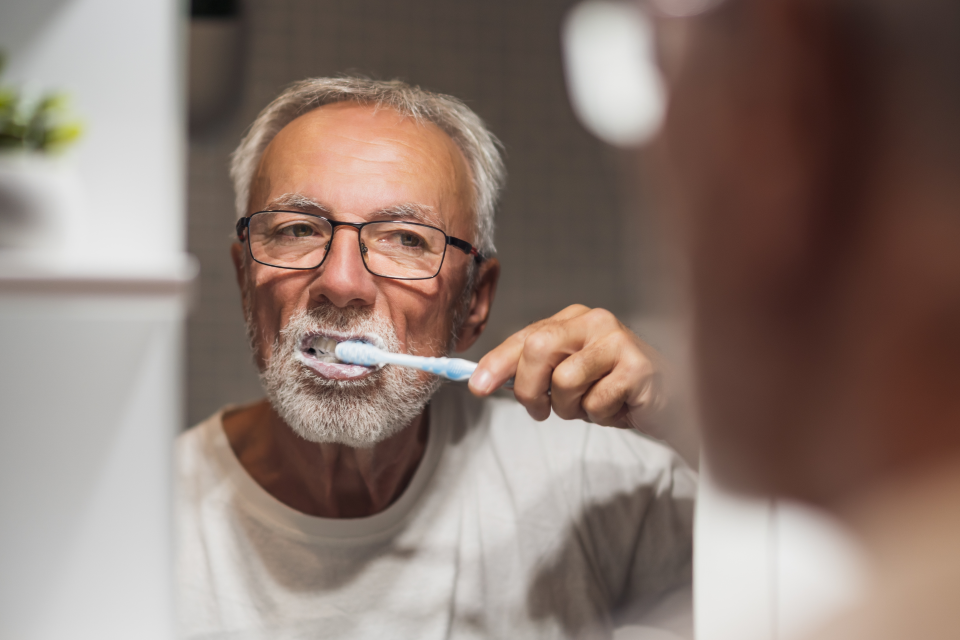
Tooth reshaping can be a great way to improve the appearance of your teeth. Although it’s important to closely follow your dentist’s post-treatment recommendations, to make sure these results are maintained. Most of these aftercare tips will be the same as your other teeth, maintaining excellent daily hygiene and organising regular dental visits.
You should ensure you keep brushing your teeth at least twice a day. Sensitivity a day or two after the procedure is common, and your dentist may recommend using a desensitising toothpaste when brushing. Make sure you stay gentle on your teeth and don’t brush too hard. Try using a soft toothbrush with circular motions that puts less pressure on your teeth. Flossing should also be part of your daily routine, allowing you to reach bacteria and particles that your toothbrush can’t.
If your dentist used a bonding agent during your treatment, there’s always a risk that it could detach if not maintained correctly. Try to avoid eating any hard or chewy foods, such as popcorn, nuts and berries, for the first 24-48 hours post treatment. You should also stay away from chewing on your fingernails or holding items, like a pencil, in your mouth.
Within the first few days after your treatment, your teeth can be vulnerable to discolouration. Make sure you avoid any drinks that may cause stains, such as coffee or tea. We also recommend visiting your dentist regularly for checkups. They can help identify any potential problems with your reshaping while maintaining the health of your teeth.
Tooth Reshaping Cost
The cost of reshaping your teeth will depend on the complexity of the treatment and the amount of teeth you’d like to reshape. Usually, dentistry work that is more complex will cost more, because of the added time and work required. Reshaping more teeth will also naturally cost more.
On average, you could expect simple reshaping to cost $100-$300 per tooth, which can increase to $300-$600 for complex reshaping. This is a much more cost-effective solution compared to other treatments, such as composite veneers, which can cost between $400 and over $1,200. However, it’s important to weigh up the cost against the results, as veneers can address more significant dental issues, making them a worthwhile option despite the expense.
Combining Tooth Reshaping with Other Treatments
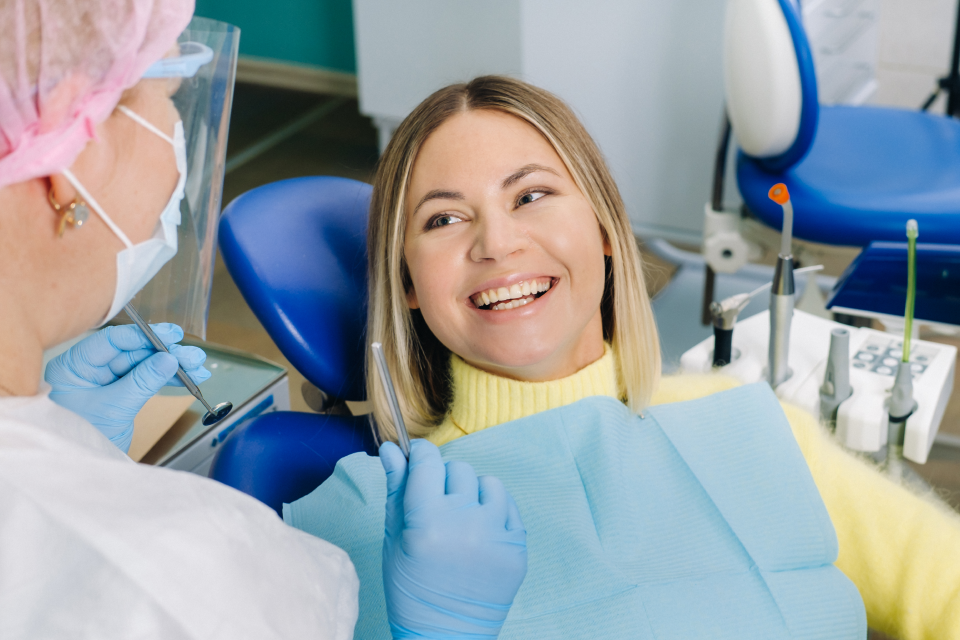
Tooth reshaping is often combined with other cosmetic treatments. This can allow your dentist to target the different parts of your teeth for a more complete smile. Your dentist may offer the following additional services:
- Teeth whitening
- This process uses bleaching agents, such as hydrogen peroxide or carbamide peroxide, to brighten your teeth. A great way to lighten any discolouration or remove stains on your tooth’s surface. Discuss with your dentist about the possibility of teeth whitening, as these can provide great results, especially when paired with tooth reshaping.
- Invisalign
- While reshaping can be great for chipped or slightly uneven teeth, Invisalign treatment may be needed if your teeth are significantly misaligned. Invisalign is the brand name for a type of transparent aligner that’s used within orthodontic treatment for addressing crowding and spacing issues. Braces may also be preferred by your dentist for uneven teeth or a significant overbite.
- Dental bonding
- To address more significant gaps and chips in your teeth, dental bonding may be recommended. Although tooth reshaping can address uneven teeth, it’s not as effective against more pronounced chips and cracks. Dental bonding applies a tooth-coloured composite resin to the surface of your teeth, which helps to fill in any damage or degradation. Combining both treatments is commonly used by dentists, where reshaping improves your tooth’s structure, while bonding fixes any substantial imperfections.
Reshaping is one of the best ways to make subtle changes to your teeth that can transform the appearance of your smile. As a low-cost alternative, tooth reshaping can deliver fast results in just a single session. Especially when combined with other treatments, such as teeth whitening and dental bonding, you can solve any minor imperfections. If you’re interested in tooth reshaping, please reach out to dental experts at Hawthorn Road Family Dental, who can help improve your smile.