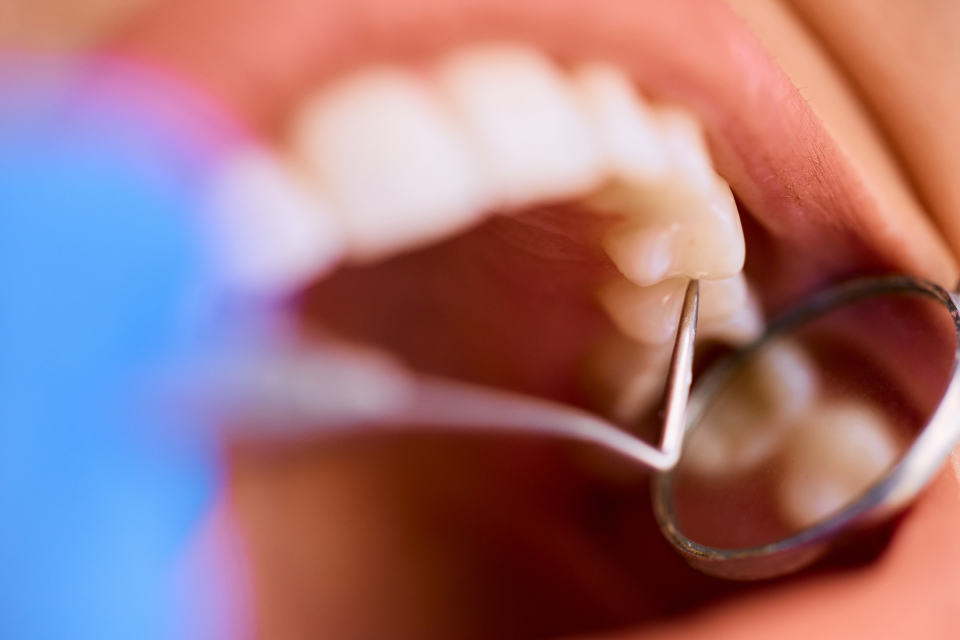
Gum recession is when gum tissue wears away and pulls back from the teeth exposing more of the tooth and root. If left untreated, gum recession can lead to other serious oral health issues like tooth decay, further recession and tooth immobility. Gum recession occurs due to a variety of reasons but mainly as a result of gum disease. Factors like aggressive brushing, tobacco and teeth grinding can also contribute to this condition. The recession of gums can be minor, or severe and affect one or more teeth.
Stages of Gum Recession
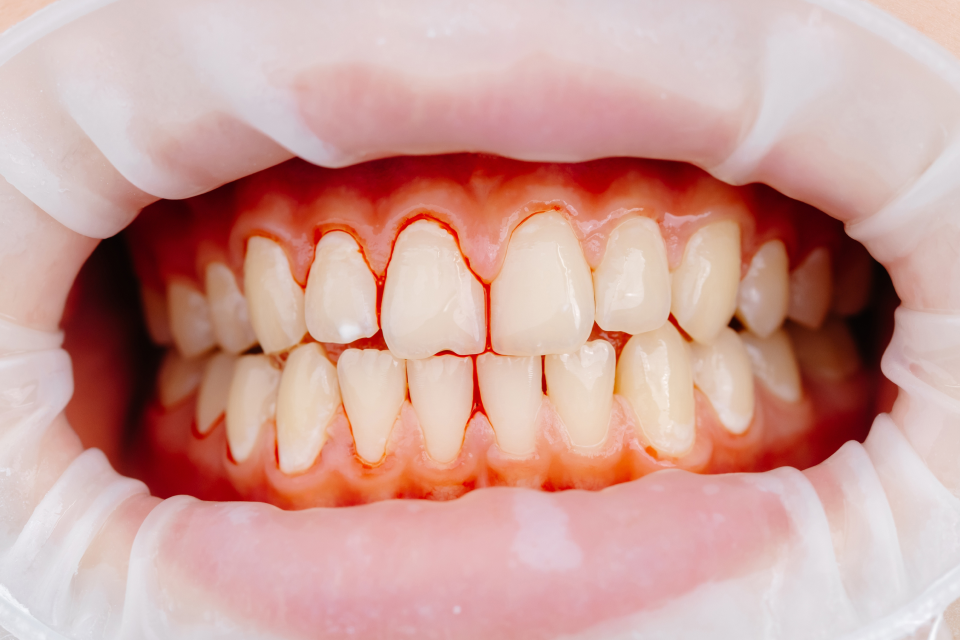
Gum recession can begin unnoticed with just some slight gum bleeding and it can take years to develop. For some people, the gum recession progresses quickly, this can be in as little as a matter of weeks or months. The basic stages of gum recession are:
- Stage 1 – The start of gum recession often goes unnoticed. A common early sign may be sensitive teeth when exposed to hot or cold things. A V-shaped notch between the gum line and tooth may also be noticeable. Known as ‘abfraction’, this indicates a loss of tooth along the gumline. A part of the tooth at the gumline may also look a different colour as the exposed tooth root is no longer covered by enamel.
- Stage 2 – Red and swollen gums with occasional bleeding may be the next symptom. This is usually caused by gingivitis, the first sign of gum disease which is a major cause of recession.
- Stage 3 – Left untreated, gingivitis can then turn into periodontitis. Visible signs start to appear of the gums detaching and forming pockets where the gums are pulling away from the teeth.
- Stage 4 – This advanced stage involves severe bone and tissue loss which may lead to loose or shifting teeth.
- Stage 5 – At this point, there is high risk of tooth loss, or some teeth have already been lost.
Causes of Gum Recession
Gum recession can be caused by a number of issues, the most common being gum disease. However other factors like overzealous brushing or smoking can exacerbate the problem. The main causes of gum recession are:
- Gum disease: When gingivitis is left untreated, it often becomes a more serious form of gum disease called periodontitis. The deep pockets in the gumline contain bacteria and become more infected. Gums become inflamed, bleed and recede when not treated.
- Poor oral health: When teeth and gums are not looked after by regular dental visits, brushing and flossing, plaque builds up causing gum irritation and eventually infection.
- Overly aggressive brushing and flossing: Brushing and flossing too hard can physically wear down the teeth, leading to gum recession. The hard bristles of the tooth brush can damage gum tissue and remove enamel which is the tooth’s protective coating.
- Genetics: Sometimes genetic makeup can make people more susceptible to gum recession.
- Grinding teeth: Tooth grinding, known as bruxism, is the involuntary grinding of teeth. This action can be the catalyst for gum tissue breakdown as it exerts excessive pressure on the teeth.
- Hormonal changes: During pregnancy hormonal changes can cause sensitive gums. Pregnancy gingivitis is a common issue in about 60 to 75% of women as it exaggerates the body’s response to plaque. If left untreated it can become the more serious periodontitis with potential gum recession as a result.
- Tobacco: Smoking reduces blood flow to the gums and makes them less healthy as they are deprived of oxygen. Gum recession is commonly caused by heavy smoking.
- Abnormal tooth positioning: Teeth that are misaligned, crooked or crowded may put pressure on the jawbone and gums, making it harder to floss and brush effectively. This leads to a build up of plaque and bacteria, making them more prone to gum disease. The pressure from crooked teeth can also displace the roots from their normal position and cause gums to recede.
- Lip and tongue piercings: The friction caused by metal jewellery against the gums can cause gum recession. The metal can irritate and damage the gum tissue.
Symptoms of Gum Recession
The most obvious sign of gum recession is seeing the tooth root exposed which appears to make the tooth look longer. The main symptoms of gum recession include:
- Visible roots of the teeth: The most common symptom is when the roots are exposed in the gumline. Teeth appear longer than usual because a larger portion that is usually in the gum can be seen.
- Pain or discomfort near your gum line: When the roots of a tooth are exposed, they are no longer protected by the gum. Gum recession causes the more sensitive dentin layer of the tooth root to be exposed which can be painful to touch.
- Sensitivity to heat, cold, sweets, and brushing teeth: The exposed tooth roots are more sensitive to heat, cold, sweets and teeth brushing. Drinking a hot or cold drink or having sweets can be uncomfortable. Teeth brushing may be slightly painful when the bristles of the brush connect to the unprotected tooth root.
- Sensitivity during dental cleanings: When the exposed root comes in contact with the cleaning tools, air or temperature changes during a dental cleaning, it can be sensitive and painful.
- Bad breath: Both bad breath and gum recession are linked as they are symptoms of periodontal disease. When bad breath does not go away, it may be a sign of the disease causing gum recession.
- Bleeding or swollen gums: A common symptom of gum recession is bleeding or swollen gums. The infection in the gum that has caused recession also causes bleeding and swollen gums.
Complications of Receding Gums
Left untreated, receding gums can lead to a number of complications from pain and discomfort to tooth loss and even general health issues. Potential oral and general health complications of receding gums are:
- Tooth sensitivity and decay: Exposed roots left untreated will become more sensitive. As these roots are softer because of no enamel, they will eventually lead to tooth decay.
- Tooth loss and bone loss: When gum recession is untreated, the infection in the pockets worsens. The gums, teeth and jawbone continue to deteriorate and become less stable, causing teeth to fall out.
- Bad breath: The pockets of bacteria in the mouth lead to persistent bad breath.
- Bleeding gums: Gum bleeding will not disperse until the receding gums and disease are treated.
- General health issues: In extreme cases, receding gums can lead to broader health issues like heart disease or autoimmune diseases. The infection enters the blood stream and contributes to inflammation of the blood vessels, resulting in potential heart problems, respiratory infections or even autoimmune diseases like lupus or arthritis.
How is Gum Recession Diagnosed?
A dental examination will confirm gum recession. However, you may already be able to visibly see the longer tooth or exposed root and have symptoms like bad breath or bleeding gums. If this is the case it is essential to see a dentist as soon as possible for diagnosis and treatment. The process of diagnosis includes:
- Visual examination: At a dental appointment, the dentist will perform a visual examination, looking for gum redness or swelling and any evidence of longer looking teeth.
- Periodontal probing: Using a periodontal probe, the dentist will measure the depth of pockets between the teeth and the gums. The thin, metal, rod-shaped instrument is inserted into the gingival sulcus (the space between the gum and tooth) to measure the depth in millimetres. With very light pressure, the pocket depth is measured and recorded. A healthy gum pocket depth is 1 to 3mm. A gum pocket depth of 4mm or more is a sign of gum disease and recession which requires treatment.
- Dental x rays: The dentist will undertake dental x-rays to measure any bone loss which is a consequence of gum disease. X-rays will be able to show bone loss in the jawbone and teeth that a visual examination cannot reveal. These x-rays will show the dentist the severity of the disease progression and determine the type of treatment required.
- Medical history review: By taking a medical history, the dentist is able to assess if any lifestyle or medical factors may have contributed to the gum recession. A patient with diabetes or thyroid issues may be more susceptible to gum disease and recession. The medical history review can identify any risk factors and allow the dentist to develop a personalised treatment plan.
Is Gum Recession Curable?
Gum recession is not curable as gums cannot grow back on their own. However, with a proper treatment plan and lifestyle changes, it can be managed and further gum recession prevented. Lost gum tissue does not grow back naturally, however certain treatments like gum grafts can help restore the gum tissue with effective results. In cases where the main cause of the gum recession is severe gum disease, managing the underlying catalyst with a treatment plan can also prevent more recession.
Management and Treatment
The management and treatment of gum recession will depend on the cause and severity. Managing the issue requires sticking to an oral health routine and often changing some lifestyle practices. Both non-surgical and surgical procedures are used to treat and manage gum recession.
Management
- Regular oral hygiene routine: Brush your teeth twice a day and floss daily. Use a sensitive toothpaste and soft toothbrush. Use mouthwash daily.
- Stop smoking: Do not smoke as smoking reduces healing capabilities and increases infection.
- Avoid teeth whitening: Whether at home or in chair whitening, this strips the tooth enamel and must not be done while managing gum recession. This also includes not using tooth whitening toothpaste. Once treatment is finished and the issue is resolved, it is safe to do teeth whitening again.
Treatment
- Non-surgical treatment: When gum recession is moderate, it can be addressed with non-surgical treatments combined with improved oral hygiene and a strict regime of dental care. Non-surgical treatments include:
- Deep clean and scale: When gum recession is moderate to advanced, one of the first treatments will be a deep clean and scale. Performed by a dentist or periodontist, this treatment involves removing plaque and tartar from above and below the gumline and smoothing the tooth roots. It is more intensive than a regular dental clean as it targets the buildup of infection and plaque that has developed in the gum pockets. The dental professional applies anaesthetic to numb the gums. In severe cases, the dentist may recommend a relaxing analgesic prior to the procedure. During a scaling, the dental professional will use specialised instruments like hand scalers and ultrasonic devices to scrape the deposits away. Root planing is the next part of the procedure when the dentist smooths the tooth root to prevent bacteria from adhering to it and help gums to reattach. A deep clean and scale usually takes about 45 to 60 minutes.
- Dental bonding: In mild cases of gum recession, dental bonding can help by covering the exposed root with a tooth coloured composite resin. If the gum recession is in the early stages, it can help to protect from further deterioration. The dentist cleans the exposed root and applies an etching gel to bond the resin. The resin is then applied to cover the root and blend with the natural tooth. It is not a permanent answer for gum recession but can help protect roots and reduce tooth sensitivity.
- Antibiotics: When gum recession is caused by underlying gum disease, antibiotics can be used in conjunction with other treatments to alleviate the infection.
- Surgical treatment: In cases of severe gum recession, surgical treatments will need to be explored. The types of surgical treatments available are:
- Gum graft: A gum graft is performed on one or multiple teeth by a dental specialist or periodontist. Tissue is removed from just under the surface of the palate as this is the most common type for covering exposed roots. It is then placed over the exposed root and gumline and stitched into place. A gum graft procedure for one tooth usually takes about 45 to 90 minutes and longer for multiple teeth.
- Tissue regeneration: Guided tissue regeneration is a surgical procedure that uses a barrier membrane to separate the gum tissue from the bone which promotes the growth of new gum tissue. It is different to gum grafting in that it regenerates lost bone and gum tissue as opposed to covering the exposed root with tissue.
- Pinhole surgery: This is an advanced surgery where the dentist creates a pinhole in the gum tissue above the receding gumline. The gum tissue is then repositioned over the exposed root without the need for cutting and stitches. This type of surgery is most suitable for mild to moderate cases of gum recession.
- Laser therapy: Laser therapy can be used for gum treatment and is a less invasive procedure than gum grafting. The treatment is highly effective for treating gum disease but may not be suitable for all types of gum recession. The dentist will advise on whether laser gum treatment may be an option depending on the severity.
Prevention of Gum Recession

There are a number of things you can do to prevent gum recession and keep your gums and teeth healthy.
- Brush gently and floss daily: Use a soft toothbrush to brush teeth gently in circular motions at a 45 degree angle to the gumline. Floss daily using water flosses, waxed floss or dental tape.
- Use mouthwash: Either store bought mouthwash or a daily warm water and salt wash deters infection and tartar buildup.
- Watch your diet: Have a balanced diet rich in fruits and vegetables. Avoid sugary and acidic foods that promote harmful bacteria, leading to gum recession.
- Stay hydrated: Water washes bacteria and food particles away and prevents them from settling on the teeth and gumline.
- Regular dental checkups: It is essential to have a regular dental checkup which includes a clean every 6 to 12 months to prevent gum recession and any other dental issues.
Gum recession is a serious issue that needs to be addressed immediately to avoid any further complications. Usually a result of gum disease, there are a number of things you can do to prevent gum recession from occurring. Making sure you see your dentist regularly is imperative. Contact the team at Hawthorn Road Family Dental Clinic today to schedule a checkup or if you have any concerns about your oral health.