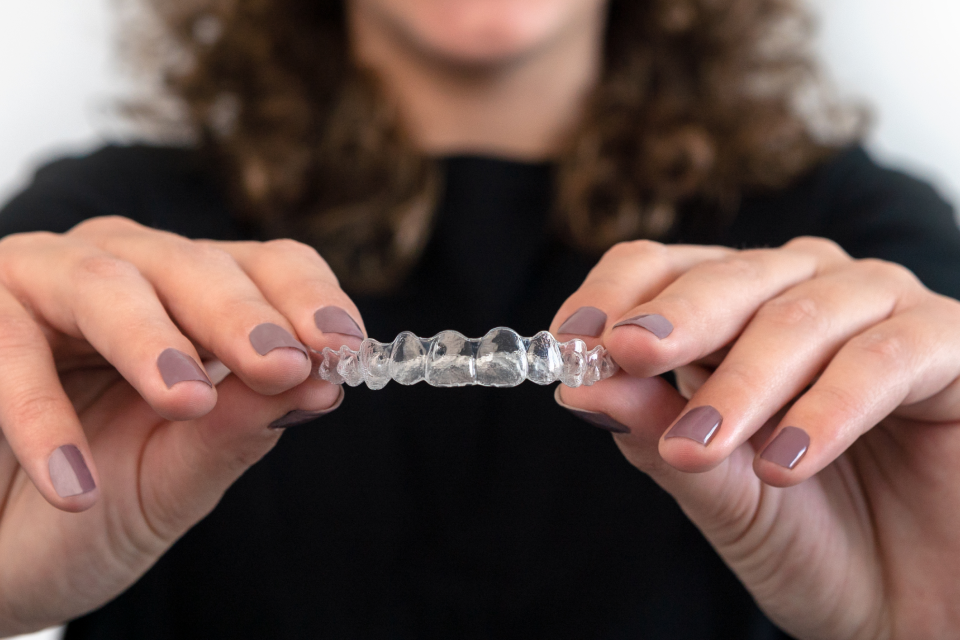
Invisalign causes mild discomfort particularly in the beginning of treatment when the aligners are first fitted. Like traditional braces, Invisalign is used to gradually straighten misaligned teeth and correct bites. With any straightening treatment there may be some tenderness or soreness which can vary from one person to another. Rather than extreme pain, the sensation is usually described as more sensitivity to the touch and bite as the aligners put pressure on the teeth and gums.
Does Invisalign Hurt More Than Braces?
While Invisalign can cause some discomfort, it does not seem to hurt as much as braces. Both braces and Invisalign perform the same function to straighten misaligned teeth, and both put pressure on the gums and teeth which causes discomfort. The type of pain, however, is different. Braces have brackets and wires that put pressure on the teeth to move them. These metal components can rub and irritate the tongue, gums, lips and sides of the mouth. This combination of tooth pressure and oral irritation from the hardware is often more intense. Invisalign is a more gentle device with clear, plastic trays that assert pressure on the teeth and gums with the pain characterised as more of a dull ache.
What Causes Invisalign to Hurt?
Because Invisalign puts gentle pressure on the teeth and jawbone, it can lead to mild discomfort. Invisalign is a set of clear trays that are custom made for your teeth. Each tray is specifically designed to put steady and controlled force to the teeth, moving them about 0.25mm per tray. The pressure from the trays is transmitted through the periodontal ligament, the tissue that connects the teeth to the jawbone and allows movement. This pressure triggers a biological response called bone remodelling where the bone tissue is broken down so the teeth can shift into the new position. Each cycle of trays is designed to move the teeth further until they are properly aligned. If Invisalign treatment hurts, it may be due to any of these factors:
- Tooth movement: This can be a potential cause of discomfort during Invisalign treatment. The aligners put pressure on the teeth to push them into position and this movement can cause mild pain or sensitivity. This is most common in the first days of wearing a new aligner set.
- Tissue adjustment: Pressure on the teeth may cause soreness or tenderness on the surrounding periodontal tissue.
- Tray tightness: The first 24 to 48 hours after new aligner sets are put in is the most uncomfortable. The trays feel tight as they are designed to put gradual pressure on the teeth to guide them into proper alignment. This tightness and gentle pressure can cause the most discomfort as teeth adjust to the new trays.
- Wearing inconsistently: Aligners should be worn about 20 to 22 hours a day. If the trays are taken out more often, the teeth can shift out of place which makes it more painful when trays are put back in.
- Protruding parts of the aligner tray: Some trays may have uneven or rough edges which can irritate the gums and cause inflammation. The friction from the aligner rubs against the soft tissue of the mouth.
- Underlying sensitivity: If there are already issues like sensitive teeth, gum disease or other health problems, pain from Invisalign treatment may be exacerbated. Pre-existing sensitivity can make the pressure from aligners feel more uncomfortable.
Types of Discomfort from Invisalign
In the initial stages, Invisalign may cause different types of discomfort. The initial sensation when starting Invisalign treatment is a general pressure on the teeth. However, at times Invisalign wearers can experience different types of discomfort during the course of treatment. Those include:
- Tooth soreness and sensitivity: Sometimes Invisalign treatment may cause pain or sensitivity in a single tooth. One or two teeth may feel painful while the others feel completely normal. This is usually a sign that the tooth is moving more than the others. It should be a temporary condition which goes away once the tooth has moved. It should only last a few days at most.
- Gum irritation: Invisalign trays can put pressure on the gums which irritates them. This is most common when switching trays as the initial tray tightness and pressure feels more firm. The gum tissue may feel generally irritated or have sore spots on certain parts of the gum, particularly if the edges are rough or the aligners do not fit perfectly.
- Jaw soreness: Any jaw soreness from Invisalign can feel like a generalised pressure, mild ache, or tightening of the jaw muscles and is often associated with a new set of aligners. Occasionally this may be accompanied by TMJ symptoms like jaw clicking or popping which should dissipate with time. Any severe or persistent jaw pain should be addressed by your dentist.
- Cheek or tongue irritation: Ill-fitting or rough aligners can also rub up against the cheek or tongue and cause irritation. Soreness may be noticed inside the cheek walls or on the tongue which may lead to ulcers and tender spots.
- Speech changes: When first starting to wear aligners, sometimes speech can be affected. Wearers may experience a slight lisp or change in speech as the aligners sit on the roof of the mouth and can alter the way the tongue moves during speech.
- Dry mouth or excessive saliva: As the aligners slightly alter the way the mouth functions, some users can experience a dry mouth or excessive saliva production. This is usually temporary and will disappear as the body adjusts to the Invisalign.
How Long Does Invisalign Discomfort Usually Last?
Most of the time Invisalign discomfort will only last in the beginning for the first week as the teeth and gums adjust to the aligners. Pain is not usually severe but rather a feeling of pressure and tightness as the teeth begin to shift. Within three to seven days the discomfort will start to fade. During the treatment the regular replacement of new aligners may cause mild discomfort but it is not usually as noticeable as the first aligners. Invisalign treatment discomfort can be categorised in three stages – early, later and refinement trays.
Discomfort Duration for Each Stage
| Stage of Treatment | Level /Type of Discomfort | Discomfort Duration |
| Early Stage | Most intense discomfort is usually felt at this stage. Patients often experience pressure and soreness at higher levels with first aligner treatment. | Usually lasts about three to seven days at most. May peak around day three but then subside significantly after that. |
| Later Stage | Mild discomfort may be felt particularly when transitioning to new aligners. Will be much less than the initial stage. | May last for one to two days when switching to new aligners. |
| Refinement Trays | These trays used at the end of treatment can cause minor discomfort but often much less than the initial trays. The refinement trays are used when the main movements of teeth are complete but some small adjustments need to be made. | Possibly one or two days of very mild discomfort if at all. |
How to Deal with Invisalign Discomfort
To deal with Invisalign discomfort there are a number of tips and tricks you can use for pain during the first week and later in treatment.
Tips for Managing Pain in First Week
- Chew: Try biting on chewing gum to put pressure on the aligner to fit snugly. This will help with blood flow and reduce any initial soreness.
- Eat soft foods: In that first week, eating soft foods like mashed potatoes, yoghurt or eggs will help alleviate any discomfort.
- Pain killers: Over the counter pain relievers are good for relieving discomfort or soreness with new aligners in the first week. Take things like ibuprofen or paracetamol according to recommended dosage.
- Wear aligners as instructed: It is essential to wear the aligners as instructed by the dentist so that teeth move gradually and discomfort is minimised over time.
- Cold compress: Wrap an ice pack in a cloth as a cold compress to apply to the outside of the cheeks for 10 to 15 minutes at a time. The cold ice can help reduce swelling. Repeat it a few times a day as required, particularly in the initial stages of treatment.
- Brush and rinse aligners: It is essential to brush and rinse new aligners especially in the first week. After every meal brush and floss your teeth before putting aligners back in. Each time rinse the aligners with warm water and gently clean them with a soft bristled brush to remove any debris and keep them hygienic.
- Rest and sleep well: The body responds well when it is rested so it is important to get plenty of sleep.
- Start new aligners before going to bed: As the initial discomfort of aligners is usually the first 12 hours, starting new aligners before bed is a way to sleep through the most intense part. The aligners can settle in and start doing their work during sleep. When waking the most acute discomfort should have already passed.
- Avoid hard or crunchy foods: While diets do not need to change during the entire Invisalign treatment, it is important to try and avoid hard or crunchy food in the first week. This stage is when the teeth and gums will be most sensitive so avoiding foods like nuts, hard lollies or popcorn will put less stress on the area and allow it to adjust.
Tips for Managing Pain in Later Treatment
- Oral hygiene: Practicing good oral hygiene is essential throughout the later Invisalign treatment. This means brushing and flossing every day to keep gums healthy and reduce the likelihood of irritation from aligners.
- Wait before switching trays: While the typical schedule of tray transition is usually seven to 14 days, it is essential to wear the tray long enough for the teeth to move properly. Waiting before switching trays rather than doing it too soon will help reduce any pain or discomfort.
- Warm compress: Unlike the first week where a cold compress will help, later stages require a warm compress for pain relief. A warm compress is an excellent method for relieving pain particularly in the jaw muscles. Use it on the outside of the jaw to help relieve muscle tension or soreness. This is often effective in the night time before bed to relax muscles and prepare for sleep.
- Massage gums: Gently massaging gums can help provide pain relief for Invisalign wearers. Massage the gums in a circular motion with clean fingers or a soft toothbrush to ease tension.
- Orthodontic wax: Orthodontic wax is a soft material applied to the tooth or gum. It provides a barrier between the gums and an aligner edge that might be rubbing the soft tissue in the mouth. To use orthodontic wax, brush your teeth and dry your mouth. Break off a small piece of wax to cover the spot in the mouth that is irritated.
- Don’t clean aligners with hot water: Avoid cleaning aligners with hot water as this can warp the plastic and make them fit less well, causing pain and irritation on the gums.
When to Contact Dentist About Invisalign Discomfort

Mild discomfort is normal with aligners but persistent pain might indicate a problem. Contact your dentist if you have this type of Invisalign discomfort:
- Sharp or persistent pain: Any pain should disburse within a few days of transitioning to new aligners. If pain is not disappearing or at least starting to decrease, it is important to contact the dentist. Sharp or intense pain is rare but, if it occurs, should not last longer than one week.
- Difficulty inserting or removing aligners: Aligners that are difficult to insert or remove could indicate poor fit and require professional attention. If the aligner is hard to remove after several attempts or there is pain when removing, this could indicate a problem.
- Ongoing gum irritation: If there is persistent gum irritation, swelling, mouth ulcers or bleeding gums, it is essential to contact the dentist. These symptoms can indicate poor fitting aligners or more serious underlying dental problems like gum disease that must be addressed.
- Speaking difficulty: Consistent speech issues like a lisp that lasts beyond a few weeks can indicate the trays are not fitting properly. Speech problems can occur in the initial stages as the mouth adjusts to the aligners but adjust quickly.
Invisalign is an effective treatment for straightening misaligned teeth and often used by dentists as an alternative to braces. With any teeth moving process, there may be some discomfort but Invisalign is less likely to hurt than other treatments. For those interested in having Invisalign treatment and wanting to find out more about the process, contact the team at Hawthorn Road Family Dental Clinic.