Oral cancer is an aggressive cancer that affects the tissues within your mouth or throat. It most commonly affects people over 60 years old, with smoking, drinking alcohol and poor oral hygiene all key risk factors. Within the early stages, oral cancer can be difficult to spot, with symptoms often including a painless lump or ulcer within your mouth that won’t heal. Regular visits to the dentist can help spot oral cancer early, with treatments that range from surgery, radiation therapy and chemotherapy.
What is Oral Cancer?
Oral cancer, also known as mouth cancer, is a broad term to describe cancer that affects the inside of your mouth. Most oral cancers begin on the lips, tongue and floor of the mouth, but can also originate in the cheeks, gums, roof of the mouth and tonsils. Many people with oral cancer may not experience significant symptoms, making it more difficult to discover until it reaches a more advanced stage, spreading throughout the mouth and throat.
Oral Cancer Signs and Symptoms
Oral cancer symptoms commonly develop around the lips, tongue and the floor of the mouth. You may also experience cancerous sites within the gums, inside the cheeks and the roof of the mouth. The symptoms you’ll most likely experience that are linked with oral cancer include the following:
- A lip or mouth sore that won’t heal
- A white or reddish patch on the inside of the mouth
- Loose teeth
- A growth or lump inside the mouth
- Mouth pain
- Ear pain
- Difficult or painful swallowing
Although having these symptoms doesn’t guarantee you have oral cancer, if you experience them for more than two weeks, we recommend contacting your dentist.
Oral Cancer Risk Factors
Although the exact causes of oral cancer can be difficult to ascertain, certain factors can increase your risk:
- Smoking – The vast majority of oral cancers can be linked to cigarette, cigar or pipe smoking. General tobacco use can also put you at greater risk, including chewing tobacco and using snuff products.
- Drinking alcohol – Studies have shown that oral cancer is approximately six times more common in alcohol drinkers than in nondrinkers. Smoking and drinking alcohol together can further increase your risk of developing cancer.
- Excessive sun exposure to the lips – Ultraviolet radiation from the sun can increase your risk of developing cancer of the lip.
- Being exposed to human papillomavirus (HPV) – Smoking and alcohol consumption are typically linked to oral cancer in those over 60 years old. While younger people or those with multiple sex partners may be at risk of developing a specific type of HPV that is linked to over two-thirds of oropharyngeal cancers, which are found in areas such as the back of the throat, tongue and tonsils.
Are There Oral Cancer Stages?
Oral cancer manifests itself in different stages. Beginning with a sore that won’t heal, before pain and difficulty speaking in more advanced stages. To help you recognise each oral cancer stage, consider the following:
- Stage 1 – In the early stages, any cancerous tumour in your mouth will measure 2 centimetres or less. Other suspicious symptoms to look out for during this stage include any white patches, known as leukoplakia, or red patches known as erythroplakia. Also, monitor your mouth for any ulcers or sores that don’t improve after 2 weeks.
- Stage 2 and 3 – In stages 2 and 3, a cancerous tumour grows in size. In Stage 2, the tumour measures between 2 and 4 centimetres. While in Stage 3, the tumour is larger than 4 centimetres. During these stages, the tumour also starts to affect the nerves within your neck and head. You may start to feel numbness or loss of sensation around your mouth and jaw, which can also cause pain and sensitivity. As oral cancer develops, it can also affect your muscles, making it increasingly difficult to control your jaw and open your mouth.
- Stage 4 – Once oral cancer reaches stage 4, it is incredibly advanced. Many people will likely start to feel significant pain and numbness in larger areas. During this stage, the tumour has spread beyond its original location into nearby tissues or lymph nodes. Stage 4 oral cancer is further divided into three sub-stages.
- Stage 4a – During this stage, the cancer has grown into nearby tissue, such as the jawbone, deep tongue muscles or skin of the face. Alternatively, the tumour may be any size and has spread to one or more nearby lymph nodes. At this stage, the cancer hasn’t spread to distant parts of the body.
- Stage 4b – Stage 4b means the cancer has extended further into nearby structures, such as the base of the skull, chewing muscles, or behind the jaw. It may also involve more extensive spread to nearby lymph nodes in the neck.
- Stage 4c – This is the most advanced stage, in which the cancer has spread beyond the mouth and surrounding tissue to other body parts, such as the lungs and bones.
When Should I See My Doctor or Dentist?
You should contact your dentist or healthcare provider if you notice any symptoms of oral cancer. Even when you haven’t encountered any symptoms, regular check-ups are still vitally important, especially if you are someone at high-risk. Don’t wait; make an appointment with the friendly experts at Hawthorn Road Family Dental.
How is Oral Cancer Diagnosed?
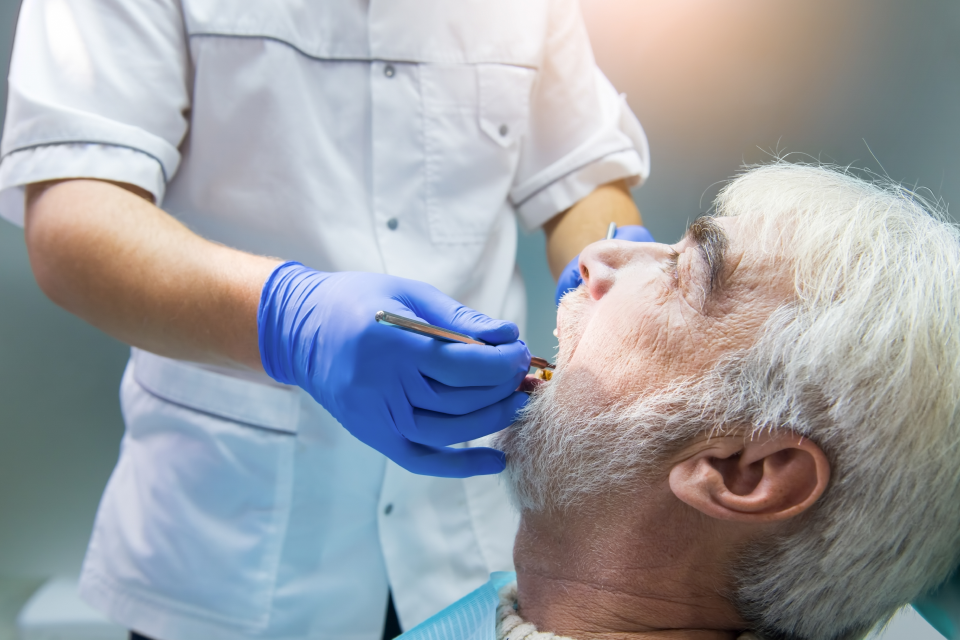
Oral cancer can spread rapidly, making it important to receive an early diagnosis from a dentist. Typically, your dentist can make a diagnosis during a regular checkup with the following tests:
- Physical examination – Your dentist will likely make a physical examination to spot any signs of oral cancer. They will look around the entire inside of your mouth, including your throat, tongue, inner cheeks and lips. Your dentist will also check your face, head and neck for any possible signs.
- Biopsy – A biopsy is where a small amount of tissue is removed using a small brush or spatula. The samples are then sent to a laboratory, where a head or neck pathologist can determine under a microscope if any cancerous cells are present.
- Scans – Various scanning equipment is often used to determine whether cancerous cells are present within the mouth, how big it is and whether it has spread to nearby organs or parts of the body. X-rays, PET scans, CT or MRI scans are often used.
- Endoscopy – If cancer has spread beyond the mouth area, a small fibre-optic scope can be used to examine the nose, larynx (voice box) and pharynx (throat).
How Is Oral Cancer Treated?
The most common treatment options for oral cancer include the following:
- Surgery – If your oral cancer has been detected at an early stage, surgery may be recommended to remove the tumour. During the surgery, a surgeon removes the tumour and some of the healthy cells around it to ensure that all cancerous cells are eliminated. The extent of the surgery will depend on the size of the cancer, as your surgeon may need to remove lymph nodes and surrounding tissue. Reconstructive surgery may be required if significant parts of the face, jaw or neck are removed, with dental implants to replace any affected teeth.
- Radiotherapy – Radiation therapy uses small doses of high-energy rays that target and destroy cancer cells. This therapy is typically delivered by an external machine that moves around the head, although it can also involve placing radioactive materials internally. If the tumour is very small, this may be the only treatment required. However, radiotherapy is also commonly used after surgery to kill off any remaining cancer cells.
- Chemotherapy – This involves the use of cancer-killing medication that can kill cancerous cells within the body. Like radiotherapy, chemotherapy is often used post-surgery to kill off any cancer cells that remain. Particularly if the cancer has spread to other parts of the body, chemotherapy may be preferred to manage it.
- Palliative care – If your oral cancer cannot be cured and is in an advanced stage, palliative care may be preferred. This is where patients with life-limiting illnesses are supported with treatments that focus on improving their quality of life and reducing pain.
It’s important to note that the most suitable treatment of oral cancer will depend upon many factors, such as the size and location of the cancer, how far it has spread and any personal factors (age, general health, etc). You may only need one type of treatment or a combination, with recommendations only made after a consultation with a multidisciplinary medical team of surgeons, oncologists, and dentists, among others.
How To Prevent Oral Cancer
Oral cancer can be prevented, and your lifestyle plays a key role in preventing it. We recommend considering the following prevention tips:
- Don’t use tobacco – Studies have shown that approximately 59% of oral cancer in Australia is caused by smoking. All forms of tobacco can increase your risk of developing cancer, including cigars, pipes and chewing tobacco, so these should be avoided to increase prevention.
- Limit alcohol intake – Studies have also shown that around 31% of oral cancer can be linked to excess alcohol consumption, so limiting your frequent, heavy drinking can help reduce your risk.
- Avoid excessive sun exposure to your lips – Cancer around the lip is commonly associated with ultraviolet light from the sun. Therefore, whenever you’re outside, ensure you apply sunscreen and wear protective clothing to limit your exposure.
- Have regular health and dental exams – Make sure you see your dentist regularly for a checkup, we recommend at least once a year. During your appointment, they can check your mouth for any symptoms and guide you on steps to help reduce your risk of developing any cancerous cells.
Oral cancer is a serious illness that can affect any part of your mouth, including gums, tongue or inner cheeks. With early detection vital, contact your dentist if you notice any symptoms, such as an ulcer that won’t heal or any significant pain that affects your mouth. Our knowledgeable team at Hawthorn Road Family Dental is here to support your oral health through this journey.