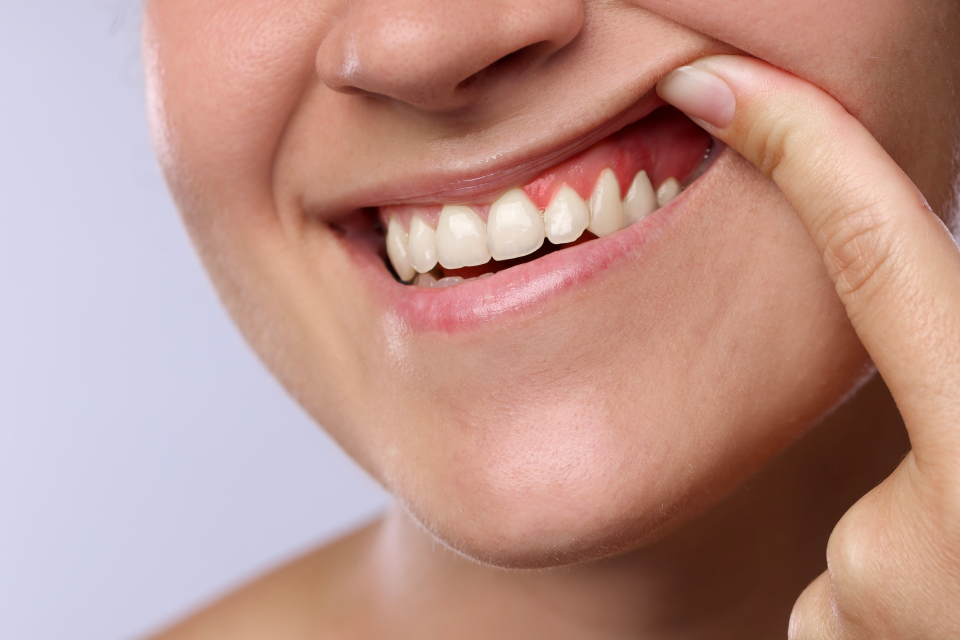
Receding gums are a common dental problem where the gum tissue pulls away from the teeth exposing more of the tooth or root. It leads to tooth sensitivity and pain and will gradually get worse if not addressed. Most people don’t even realise they have gum recession until the teeth begin to look longer or sensitivity sets in. Once gums recede it is not possible for the gum tissue to grow back but it is possible to stop it getting worse through oral hygiene, regular dental visits and treating underlying gum disease. Understanding what causes gum disease is crucial to preventing deterioration of the gum tissue and a step towards maintaining a healthy smile.
What is Gum Recession?
Gum recession is where the soft gingival tissue, known as the gums, are pulled back away from the tooth. This exposes or compromises the structures underneath. The normal position of the gum is at the edge of the enamel. A healthy gumline should form a gentle arc over the top of the tooth. Recession is when the gum is no longer where it is supposed to be but pulled back revealing the dentin of the tooth.
Main Causes of Gum Recession
It is important to understand the causes of gum recession as effective prevention and treatment depend on addressing underlying issues. Gum recession is not a single condition with one solution but a result of damage to the gum tissue and surrounding structures of the teeth. It can be caused by physical trauma, bacterial infections and other dental issues. The main causes of gum recession are:
- Poor oral hygiene: The number one cause for gum recession is poor oral hygiene habits. This means not brushing teeth or flossing enough which leads to plaque buildup along the gumline. This plaque buildup can lead to infection and is also responsible for disease-induced receding gums.
- Aggressive brushing: Brushing the teeth too hard traumatises the gums and causes them to wear away.
- Teeth grinding: Bruxism (or teeth grinding) is something that some people do during the day if they are stressed or during sleep. This involuntary grinding or clenching puts pressure on the teeth, which can wear away the enamel. As a side effect of enamel breakdown, it can lead to gum recession.
- Smoking: With any type of tobacco use, you are more at risk of receding gums. Smoking adds irritants to the soft tissue of the gum and makes it more prone to disease.
- Genetics: While many causes of gum disease are preventable, family history and genetics can make you more predisposed. Some dental issues like crooked teeth, gum disease and cavity risk have a genetic component.
- Misaligned bite: When teeth are out of alignment, the teeth that are most out of line may start to exhibit gum recession from the pressure on the soft tissue. Misplaced or crooked teeth can push gums away from the bone.
Gum Recession Diagnosis and Prognosis
Gum recession diagnosis requires a physical examination by a dentist or periodontist. During the clinical examination the dental professional will visually assess how much of the tooth root is exposed and check for uneven gum margins, inflammation and thin gum tissue. Pocket depth is measured using a dental probe which indicates the space between the tooth and the gum and assesses how much supporting tissue has been lost. Dental X-rays will be taken to assess any bone loss or advancement of periodontal disease. Finally, a risk factor assessment will be conducted to see if there are any contributing causes such as smoking, misaligned teeth or gum disease.
After the severity of the gum recession and any underlying causes is identified, the dentist will put together a treatment plan to stop the gum recession from getting worse. The prognosis will depend on the cause, severity and early intervention.
Methods to Stop Receding Gums From Getting Worse
While gum tissue cannot grow back once it has receded, there are ways to prevent it getting worse, treat the condition and restore the function and appearance of gums. These methods include everything from changes in routine and improving oral health to dental and surgical options. Understanding the underlying causes and adopting daily habits, professional treatments and lifestyle changes are essential for protecting gum health and stopping recession.
Daily habits to help stop gum recession from getting worse
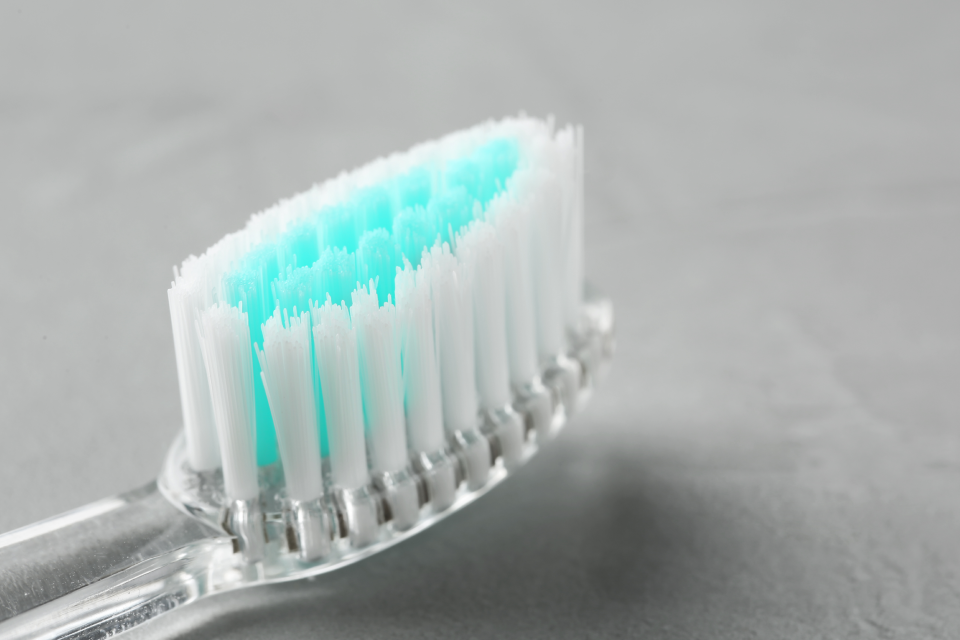
Daily habits can place repeated stress on the gums, from the way you brush and floss to smoking and stress. Changing these everyday habits by making small changes in routine can significantly slow down gum recession and even stop further progression. These simple steps can help protect the sensitive gum tissue and stop recession from getting worse.
- Tooth brushing techniques: Be aware of tooth brushing techniques particularly if you have gum recession. Do not brush teeth hard as aggressive brushing wears away the gum tissue. Brush with gentle pressure, angling the toothbrush 45° toward the gumline in small circular motions. Make sure to brush teeth twice a day.
- Use an ultra soft toothbrush: Avoid hard bristled toothbrushes as these wear away the gum tissue. Invest in a soft to extra soft toothbrush with a small head to reach the gumline more easily. This reduces the chance of overbrushing and gives better control around the sensitive areas. If you do decide on an electric toothbrush, choose one with a pressure sensor which will stop you brushing too hard. Most dentists do not recommend electric toothbrushes for people with gum recession so a manual toothbrush is preferred.
- Use specific sensitive toothpaste: Look for low abrasion or sensitive teeth toothpaste like Sensodyne or Oral-B Sensitive. Do not use whitening toothpaste as its harsh abrasiveness weakens tooth enamel and contributes to gum recession.
- Floss or interdental stimulators: Flossing daily is essential as it helps keep the area between the teeth clean and free of debris that leads to plaque and eventual gum recession. It is important to use the correct flossing tool and technique when trying to stop gum recession from getting worse as gums are already sensitive. Between the choice of interdental string, water or brush flossing, often the brush is more suitable for those with gum recession as it allows easier access in the tight space between the tooth and gumline. You can use string or water flossing when gum recession is not advanced. When flossing, hold the brush between the thumb and forefinger and gently push into the triangular space between the teeth.
- Use antibacterial mouthwash: Antibacterial mouthwash can help reduce harmful bacteria and calm inflammation. Prescription mouthwash like Chlorhexidine is a strong antibacterial rinse that is often used after scaling and root planing. This mouthwash must be prescribed by the dentist or periodontist. Over the counter mouthwash with Cetylpyridinium Chloride is also effective with CPC as an active ingredient to reduce plaque bacteria. Use mouthwash once or twice a daily as prescribed by the dentist. For additional cleaning, use the mouthwash while flossing. Dip the floss brush into the antibacterial mouthwash and clean between the teeth.
- Drink more water: Drinking more water helps reduce gum recession by increasing saliva production which is crucial for a healthy oral environment. Saliva neutralises acids and washes away food debris and bacteria.
- Use a nightguard for teeth clenching: A night guard is an effective method to help stop teeth clenching (bruxism) that causes gum recession. The nightguard acts as a protective barrier between the upper and lower teeth and absorbs the force from bruxism. You can get your dentist to do a custom-fitted nightguard or purchase over the counter. A custom fitted guard is more effective. Botox is also recommended for treating clenching and severe grinding consult with your dentist.
- Stop teeth whitening until improved or approved by the dentist: Delay teeth whitening while gum recession is being treated. Applying whitening agents to already compromised gums increases the risk of further damage. Once gum recession and its underlying causes are addressed, teeth whitening can resume after consultation with the dentist.
Dental Options to help stop gum recession
It is important to see your dentist or periodontist at the first sign of gum recession as it can deteriorate quickly without intervention. Once receding gums have been diagnosed, the dentist will usually recommend improving daily habits and dental treatments. The type of non-surgical dental treatments like deep cleaning or orthodontic procedures will address the underlying cause of gum recession and help stop it getting worse.
- Deep cleaning (scaling and root planing): This is often the first line of treatment for gum recession, particularly in mild to moderate cases. Scaling and root planing is more intense than a regular dental clean that removes plaque from the tooth and gum surface. This procedure is a deep clean that scrapes the plaque from below the surface and smooths the tooth roots to help the gums reattach.
- Topical antibiotics: Sometimes after scaling and root planing, the dentist might apply topical antibiotics to reduce inflammation and promote healing. They work by slowly releasing the medication to help stop the disease that causes gum recession to develop.
- Dental bonding: Mild cases of gum recession can be helped with dental bonding but it will not fix the underlying cause. Dental bonding is a cosmetic procedure that some dentists may use to cover the exposed tooth root from receding gums. It is made from a tooth coloured composite resin that can fix chips, close gaps and act as a protective layer for exposed tooth roots.
- Orthodontics: Orthodontics can help fix misaligned teeth which is one of the causes of gum recession. While orthodontic treatment like braces or Invisalign will not grow back gum tissue, it can stop it from getting worse as the repositioning of the teeth will reduce pressure and improve oral hygiene.
- Botox: Teeth grinding (bruxism) can contribute to gum recession. By treating this condition with botox, gum recession can be reduced. A small amount of botox is injected to the jawline can help relax the muscles and reduce teeth grinding and jaw clenching.
Surgical options to help stop gum recession
Further ways to stop gum recession and restore the appearance of the receded gums involve surgical options. These treatments focus on covering exposed roots and restoring gumline appearance and must be done by a specialist dentist (periodontist). Surgical options are used if the scale and clean techniques and changing daily habits does not work sufficiently or in the case of severe gum disease and recession.
- Gum grafting: This procedure is performed by a periodontist who removes a piece of tissue from the roof of the mouth and places it over the exposed root of the receded gum. The procedure is done using a local anaesthetic and usually takes about 60 minutes depending on the number of teeth treated. The purpose of a gum graft is to protect the exposed tooth roots, reduce sensitivity and prevent further recession.
- Flap surgery: This is different to gum grafting as the dental surgeon will lift the gum flap away from the teeth to expose the roots. The plaque and tartar is then removed and infected tissue is cleaned. The periodontist may reshape the bone if it is damaged so the gum can fit more snugly. The gums are then placed back tightly around the teeth and stitched in place.
Importance of Regular Dental Visits

Regular dental visits are crucial when dealing with gum recession. Once gums have receded the lost tissue will not grow back naturally and requires dental intervention and a plan to help address underlying causes and promote gum health. Dental visits allow for early detection, ongoing monitoring and professional cleaning that can all help towards stopping gum recession from getting worse. The team at Hawthorn Road Family Dental Clinic can help you with gum recession and organise a treatment plan to ensure ongoing tooth and gum health.
Common Questions about Gum Recession
What are the signs of gum recession?
- Teeth look longer than they used to because the roots are exposed. They may be sensitive and gums may be tender or swollen. For some people with underlying gum disease, there may also be gum bleeding.
Can receding gums grow back?
- No, they cannot. Once the tissue has worn away, it is permanently gone. Gum recession can be stopped from getting worse and some cosmetic procedures like grafts can cover the exposed root.
Could I have prevented gum recession?
- Yes, gum recession can be prevented. By following suggested oral hygiene practices, ensuring underlying issues like bruxism, and regular dental visits, you can avoid gum recession.
Can dentists fix gum recession?
- Dentists cannot fix gum recession but they can stop it from getting worse with treatments like deep cleaning and gum grafting.
Will my teeth fall out from gum recession?
- Yes, left untreated, gum recession can lead to tooth loss.
What can I do to stop gum recession getting worse?
- To stop gum recession getting worse, go straight to the dentist and organise a treatment plan to address the recession and underlying issues.
Is gum recession linked to other health issues?
- Yes, gum recession is a common symptom of gum disease. Chronic gum inflammation can also lead to conditions such as heart disease, diabetes and respiratory issues as the bacteria enters the bloodstream.